Actions
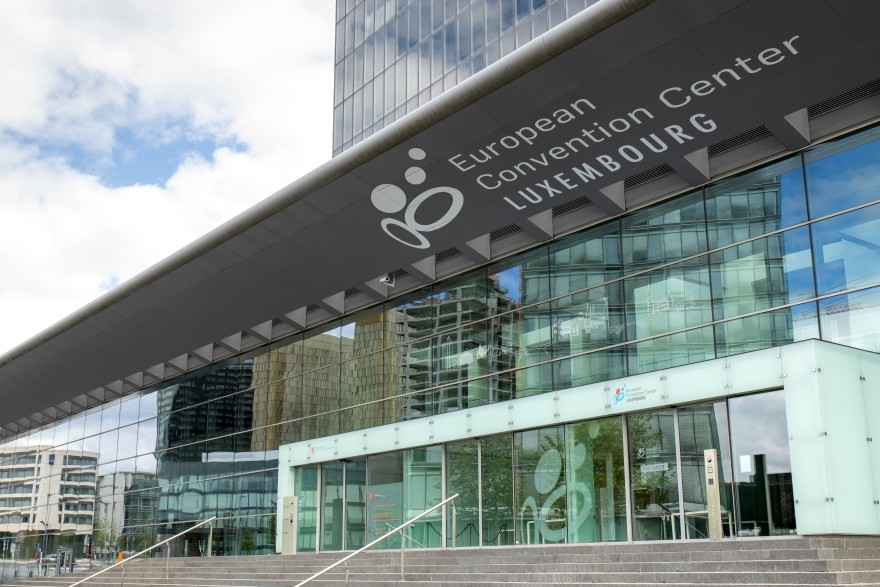
On 4 June 2026, eu-LISA’s Executive Director Tillmann Keber attended the Justice and Home Affairs (JHA) Council meeting in Luxembourg, where he briefed EU Ministers on the implementation of key EU large-scale IT systems supporting migration management, border management and internal security. The discussion focused in particular on the upcoming launch of the new Eurodac system and progress in implementing the EU’s interoperability architecture.
Preparations for new Eurodac enter final stage
With the Entry into Operation of the new Eurodac scheduled for 12 June 2026, the Executive Director provided Ministers with an update on the state of play of preparations.
He highlighted that the new Eurodac is a completely redesigned large-scale IT system that will support the implementation of the Pact on Migration and Asylum while strengthening cooperation between national authorities across Europe. The system has successfully completed central-level testing, with Entry into Operation rehearsals carried out in May. At the same time, eu-LISA continues to work closely with Member States, European Commission and partner agencies to address the remaining activities and ensure readiness for the launch.
Delivering the next interoperability milestones
Ministers were also updated on progress in delivering the revised Interoperability Roadmap.
The Executive Director highlighted that two major interoperability components – the European Search Portal (ESP) and the Common Identity Repository (CIR) – are ready to enter into operation on 12 June. Together, these components will enable authorities to search multiple EU information systems through a single query and access identity data more efficiently and securely.
He further provided updates on ongoing work related to the Entry/Exit System (EES), the European Travel Information and Authorisation System (ETIAS) and ECRIS-TCN, underlining the continued cooperation between eu-LISA, Member States, the European Commission and partner agencies to deliver these next interoperability milestones.
Supporting a secure and resilient Schengen area
The Council also discussed the European Commission’s 2026 State of Schengen Report and priority actions for the 2026-2027 Schengen cycle.
Accelerating the digitalisation of procedures and systems, strengthening the resilience of our external borders and the effectiveness of returns, and increasing internal security were reaffirmed by the Ministers as priorities for the year ahead.